
In our previous discussion on the journey of European groundwater from source to tap, we explored the macro-level systems required to protect our planet’s vital lifelines. However, as water travels through miles of municipal pipeline networks and enters different geological regions, its micro-characteristics shift drastically. Even tap water that meets stringent drinking standards can carry distinct localized challenges by the time it reaches your home.
There is no such thing as a "one-size-fits-all" filtration material. True water purity relies on a precise symphony of different media, each engineered to address specific water quality issues. Below is an overview of the core filter media used in modern water systems and how they are tailored to optimize your water profile.

1. The Physical Barrier: For High-Sediment & Particulate Water
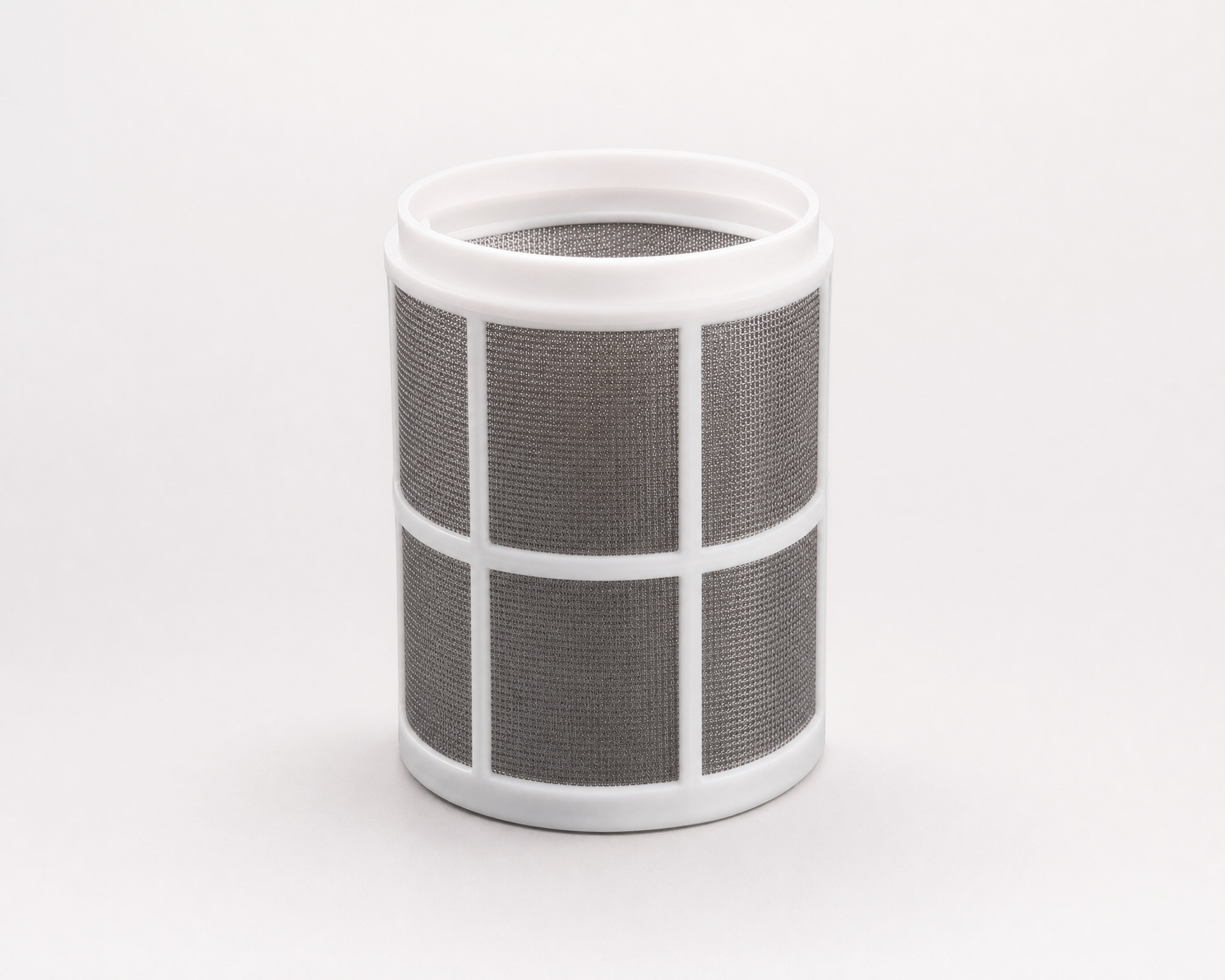
Core Media: Polypropylene (PP) Cotton & High-Density Stainless Steel Mesh
Target Water Profile: Water from regions with aging municipal infrastructure, prone to carrying rust, micro-mud, suspended solids, and large particulate impurities.
How It Works: Serving as the vanguard of any filtration assembly, these media intercept visible particles through calibrated physical pore sizes. Their primary job is to safeguard subsequent, more delicate filtration layers from premature clogging, ensuring the longevity of the entire system.
2. Chemical Adsorption: For Residual Chlorine, Odors, & Organic Pollutants
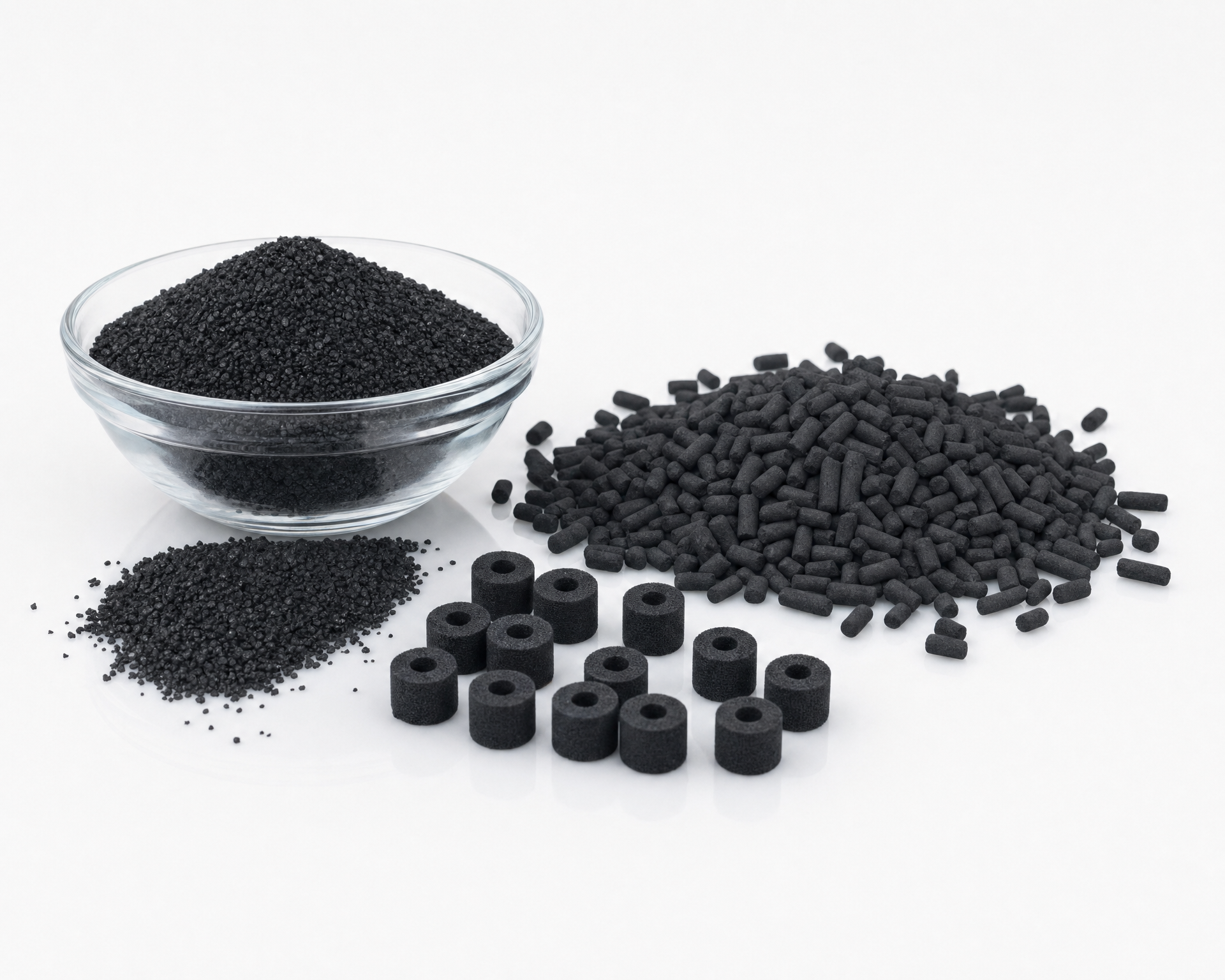
Core Media: Premium Coconut Shell Activated Carbon & Carbon Blocks
Target Water Profile: Water with a distinct medicinal taste or smell caused by residual chlorine from municipal disinfection, volatile organic compounds (VOCs), agricultural runoffs, or unusual color tints.
How It Works: Activated carbon possesses an incredibly developed micro-porous structure—a single gram can feature a surface area exceeding one thousand square meters. Utilizing powerful physical adsorption and surface chemical reactions, it acts like a microscopic sponge, locking away odor molecules and chlorine. This is the most crucial step for transforming municipal tap water into crisp, refreshing drinking water.
3. Ion Exchange: For High-Hardness Water (Limescale Prevention)
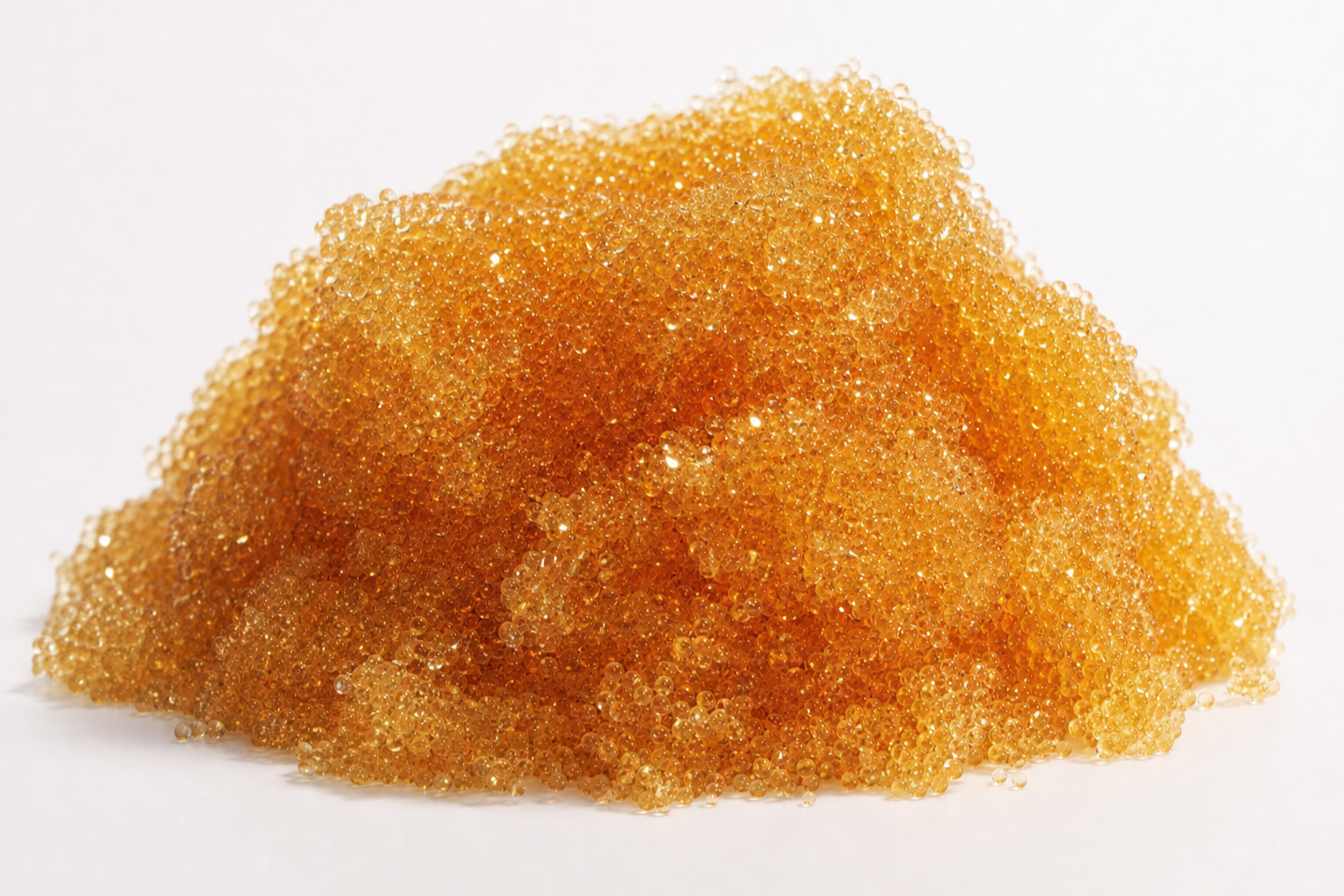
Core Media: Food-Grade Ion-Exchange Resin
Target Water Profile: "Hard water" characterized by high concentrations of calcium and magnesium ions, which leave unsightly, stubborn white limescale in kettles, on showerheads, and inside high-end water-using appliances.
How It Works: As hard water passes through the resin bed, an active exchange occurs: calcium and magnesium ions in the water are replaced by harmless sodium ions bound to the resin. By fundamentally shifting the mineral balance, this medium eliminates limescale buildup, protects the skin barrier during bathing, and significantly extends the operational lifespan of premium bathroom fixtures.
4. Micro-Porous Mineralization: For Microbial Risks & Acidic Water
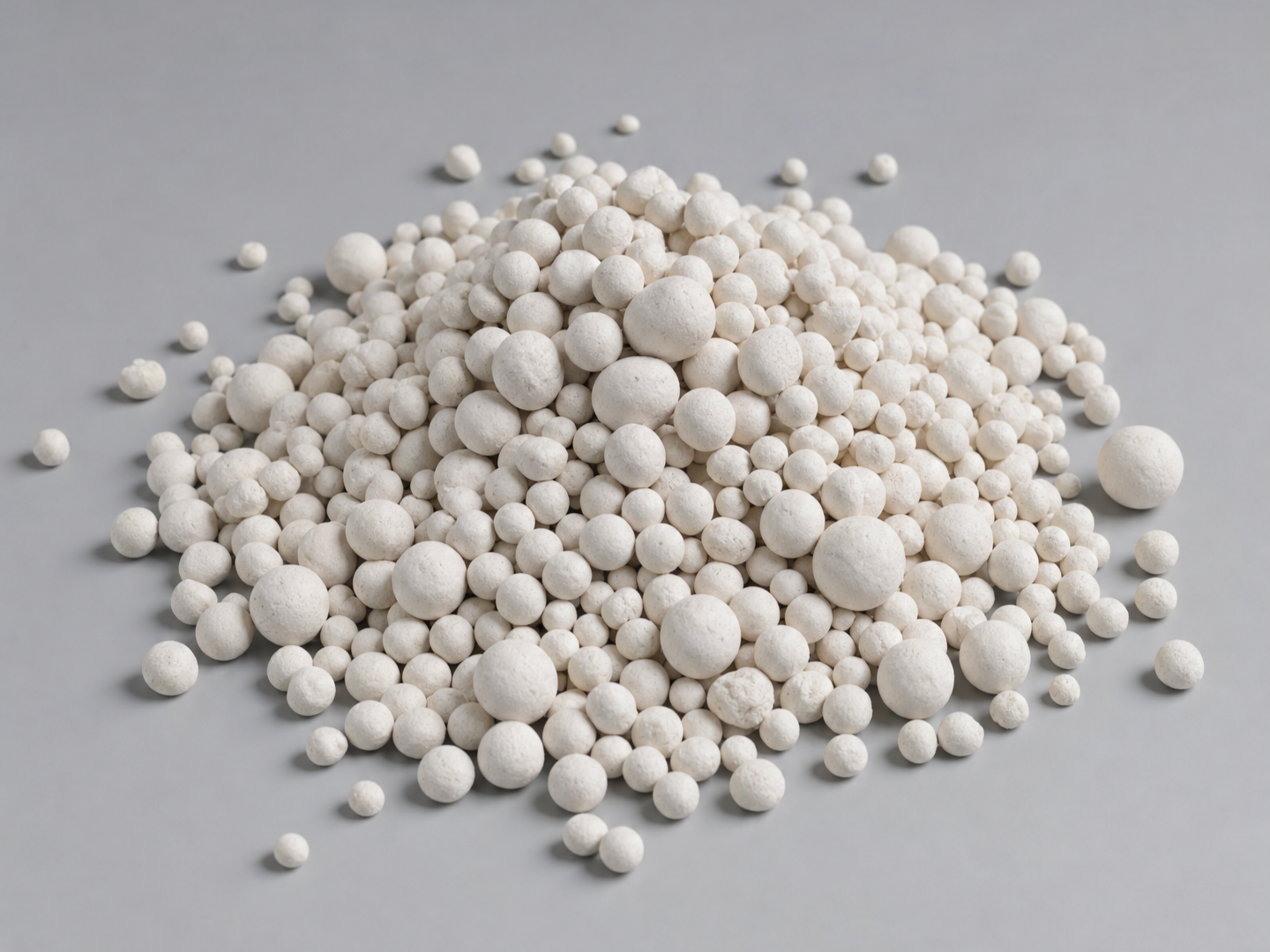
Core Media: Functional Ceramic Particles (Ceramic Balls / Pellets)
Target Water Profile: Water requiring micro-filtration of bacteria, cysts, and protozoa without relying on chemical disinfectants, or water with slightly acidic pH levels that needs mineralization.
How It Works: Baked at high temperatures, these specialized ceramic particles create a labyrinth of micro-pores that physically trap microscopic pathogens and suspended micro-particles. Furthermore, advanced functional ceramics can release beneficial trace minerals (like magnesium and calcium) back into the stream while naturally adjusting the water toward a more refreshing, slightly alkaline pH.
5. The Ultimate Defense: For Heavy Metals & Micro-Contaminants
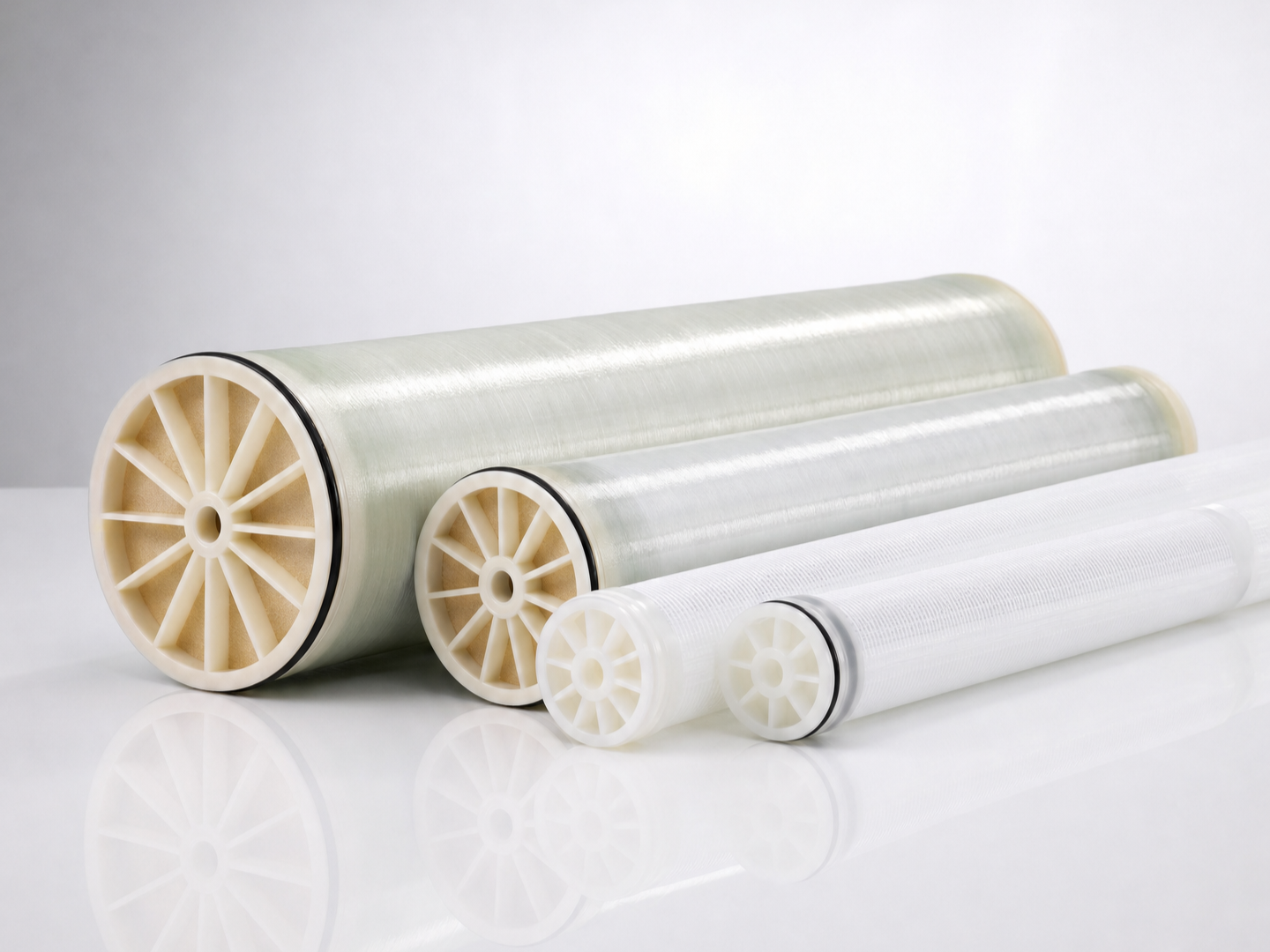
Core Media: Reverse Osmosis (RO) Membranes & Ultrafiltration (UF) Membranes
Target Water Profile: Water with risks of heavy metal contamination (such as lead or cadmium), microscopic bacteria, viruses, and emerging micropollutants that bypass standard municipal treatments.
How It Works: Reverse osmosis membranes feature a separation layer measured in nanometers. Driven by localized pressure, only pure water molecules are allowed to pass through, while the vast majority of dissolved inorganic salts, heavy metals, and microorganisms are rejected and flushed away. It represents the gold standard of modern water purification safety.
Tailoring the Perfect Combination for Your Home
Achieving pristine water quality is rarely the result of a single material; it is a masterclass in physical and chemical synergy. Recognizing the unique water profile of your region and selecting a system that employs the right combination of media is the ultimate way to bring a healthy, uncompromising lifestyle from the source right to your glass.
