
From Concept to Completion: How Vertically Integrated Manufacturing Reduces Risk (and Speeds Up Launches)
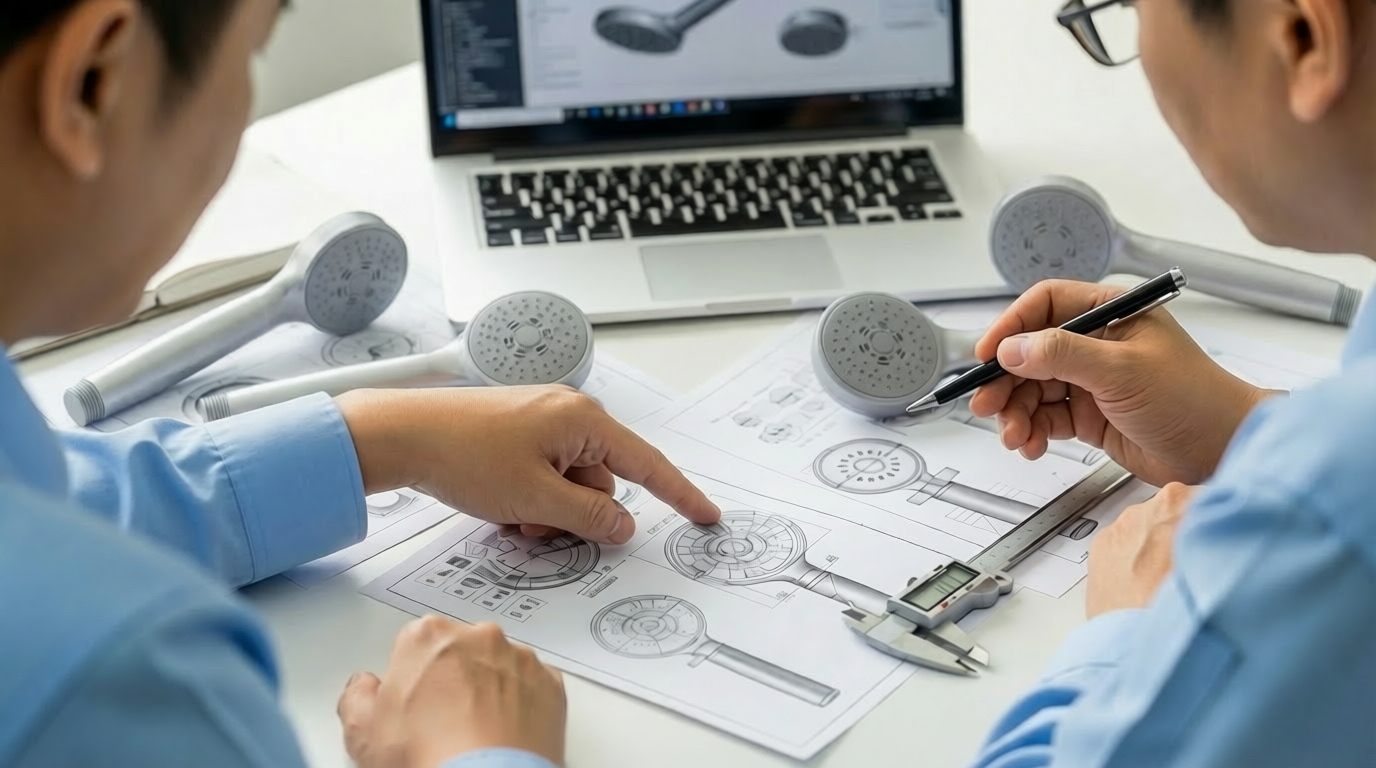
Bringing a sanitary ware product to market looks simple on paper: finalize the design, build the tool, start production, ship. In reality, delays and quality issues often appear in the “handoffs” between suppliers, especially when tooling, parts, finishing, and assembly happen in different places with different standards.
At AQUAmate, we’re built to minimize those handoffs. With in-house R&D support, tooling & mold fabrication, and production across 5 factories, we help product teams move from concept to completion with tighter control, clearer accountability, and faster iterations.
The hidden cost of “fragmented” manufacturing
When manufacturing is spread across multiple vendors, teams commonly face:
Unclear root causes when defects show up (is it tooling, plating, assembly, or incoming materials?)
Long iteration cycles because changes must be coordinated across different suppliers
Inconsistent finishes and fit due to process variation and communication gaps
Schedule risk when one vendor’s delay blocks every downstream step
For sanitary products, where performance, durability, and compliance matter, these risks can become expensive quickly.
Why vertical integration changes the outcome
Vertical integration is not just about owning equipment. It’s about controlling the processes that most often impact quality and lead time:
✅ Tooling & Mold Fabrication: faster modifications, clearer feedback loops, better consistency from sample to mass production
✅ Plastic Injection Molding + Assembly: fewer tolerance stack-ups and better control over fit and sealing performance
✅ Glass Fabrication + Surface Finishing (spray painting, electroplating/PVD-like finishing): more stable appearance and durability across batches
✅ Stamping & Welding: better structural reliability for components that must hold up over time
With these capabilities managed under one system, it’s easier to standardize inspection points, reduce rework, and keep projects moving.
Building products for real-world performance
A sanitary product isn’t judged only by how it looks out of the box. It’s judged months later, after water exposure, temperature swings, cleaning chemicals, and daily use.
That’s why strong programs typically include:
DFM (Design for Manufacturing) review to spot risks early and improve cost-effectiveness
Design validation to confirm function and reduce late-stage changes
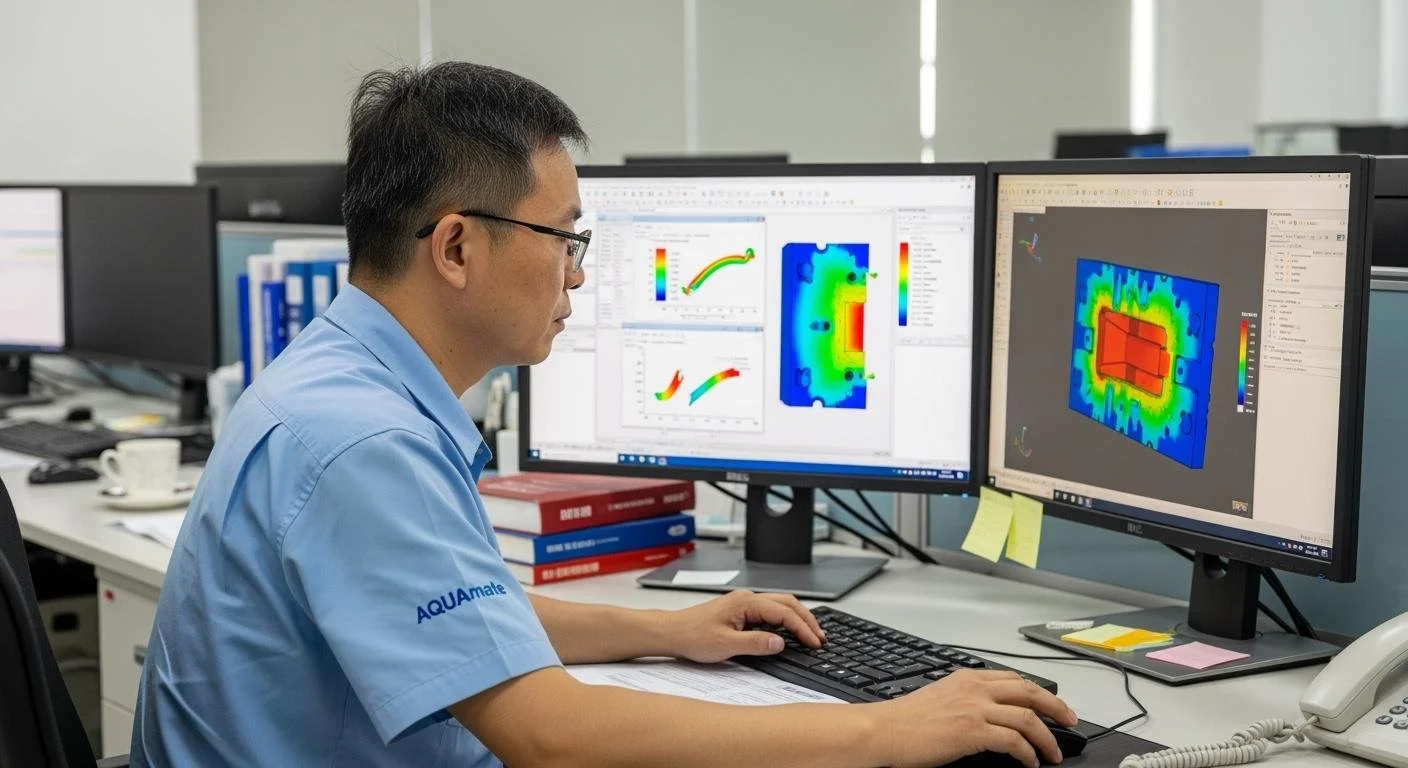
In-house laboratory testing for performance, durability, and market requirements
When testing and manufacturing collaborate closely, decisions get made with real data,not guesswork.
Quality systems and compliance: essential, not optional
Markets expect products and materials to meet recognized standards. AQUAmate is certified to:
✅ ISO 9001 (quality management)
✅ ISO 14001 (environmental responsibility)
OEM vs. ODM: choosing the right path for your launch
Different teams need different levels of support:
OEM Service: you bring the design; we manufacture with speed, consistency, and reliable quality control
ODM Service: we help develop from scratch, concept sketches, 3D modelling, prototypes, tooling, and production
E-commerce Launch Program: for brands selling on Amazon/Shopify, packaging, labelling, inserts, barcodes, and FBA prep so you can launch faster
Whether you’re scaling a proven product or building a new one, selecting the right engagement model can cut months off your timeline.
Ready to build?
If you’re developing shower heads, faucets, filtered shower heads, or bathroom accessories, and want a manufacturing partner that can support you end-to-end, AQUAmate is built for exactly that.
Next step: share your project brief and targets (market, price point, finish requirements, certification needs), and we’ll advise the most efficient path from prototype to production.
