
In Europe, about 65% of drinking water comes from groundwater. In countries like Denmark, Italy, and Austria, this figure exceeds 90%. Yet beneath this seemingly pristine treasure lies a silent and growing crisis. From the glacial meltwaters of the Alps to the sandy aquifers of the North European Plain, how does groundwater form? What threats does it face? And what can ordinary households do to help?
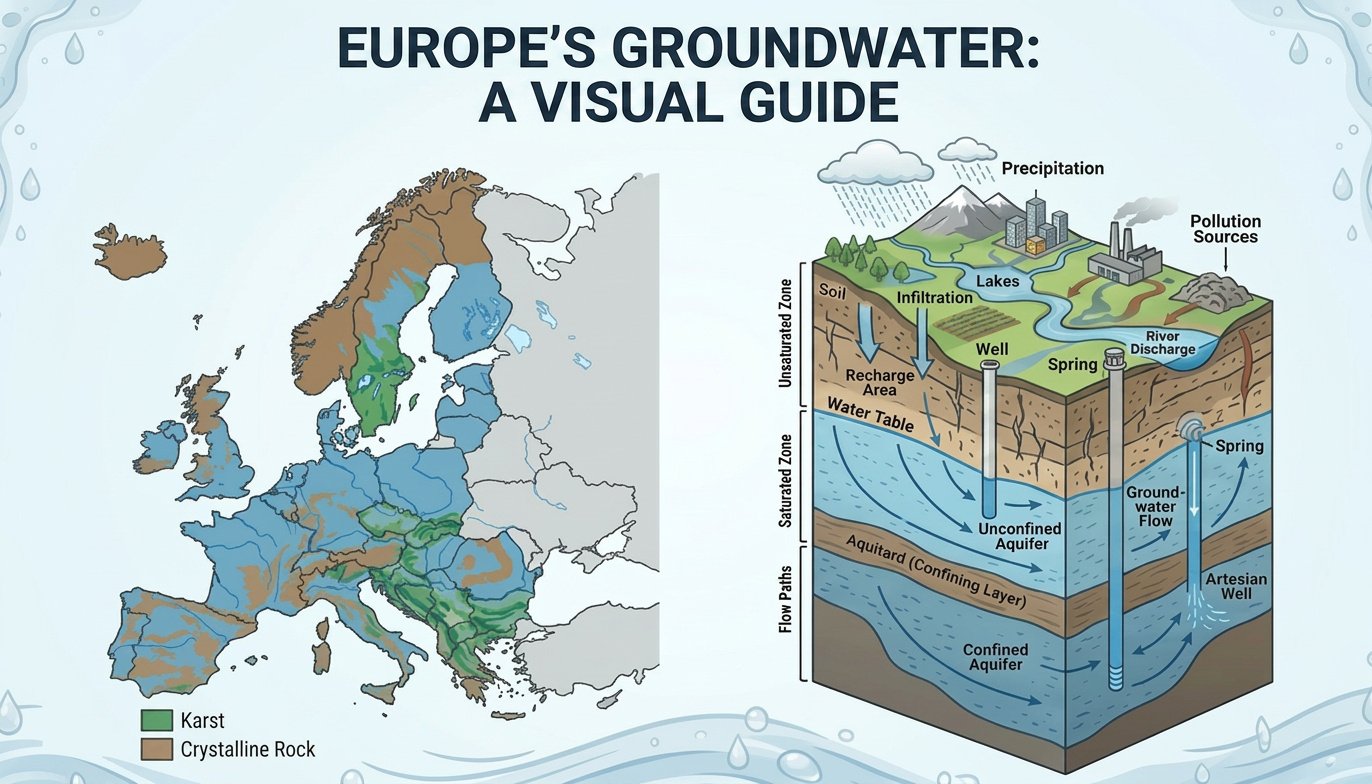
How Is Groundwater Formed? – Nature's "Slow Filter"
l Recharge: Rainwater and snowmelt seep into the ground, traveling through cracks in soil and rock, slowly descending deeper.
l Storage: Water accumulates in permeable layers – sand, gravel, sandstone – forming "aquifers." Some are shallow (tens of meters deep), others deep (hundreds or even thousands of meters), with renewal times ranging from a few years to millennia.
l Flow: Driven by gravity, groundwater moves slowly, eventually discharging into rivers, lakes, or oceans.
Europe's unique geology has gifted it with abundant groundwater: the alluvial fans of the Alps, the gravel beds of the Rhine Valley, and the glacial deposits of Northern Europe are all natural aquifers of exceptional quality.
Three Major Threats to Groundwater
Agricultural Non-Point Source Pollution – The "Invisible Invasion" of Nitrates and Pesticides
The overuse of fertilizers and livestock manure has pushed nitrate levels in groundwater far beyond safe limits. Approximately 38% of groundwater bodies in EU agricultural areas are threatened by nitrate contamination. France, Germany, and the Netherlands are especially affected. Pesticide residues (e.g., atrazine, glyphosate) are also frequently detected, and even those banned years ago continue to leach slowly into the earth.
Over-Extraction – Declining Water Tables and Seawater Intrusion
In Mediterranean regions (southern Spain, Greece, Sicily), the demands of tourism and agriculture far exceed natural recharge. In Spain's Segura River basin, the water tabl has dropped by more than 100 meters, triggering seawater intrusion: coastal aquifers become salinized, turning fresh water brackish and undrinkable.
Emerging Contaminants – Pharmaceuticals, PFAS, and Microplastics
Pharmaceutical residues –antibiotics, painkillers, hormones – enter groundwater through wastewater. PFAS (per- and polyfluoroalkyl substances), known as "forever chemicals," are widely used in firefighting foams and non-stick coatings and have been detected in groundwater across Europe. Microplastics have also been found. Even at trace concentrations, long-term exposure to these contaminants may pose health risks.
Solutions: From Macro-Level Policy to the Household Tap
Europe is adopting a multi-pronged strategy:
l Source Control: Reforming agricultural policies to limit fertilizer use and establish water source protection zones.
l Smart Monitoring: Using satellite remote sensing and AI models to monitor groundwater levels and pollution trends in real time.
l Natural Restoration: Artificial recharge and wetland restoration to replenish depleted aquifers.
l A small step in household water usage: filtering the showerhead:The first three solutions require policies, infrastructure and funds. But this one can be done by everyone in their own home.
Yet for ordinary households, the most direct and controllable line of defense is point-of-use water purification. Even if source water meets quality standards, aging pipes, secondary supply systems, and even scale and microorganisms in water heaters can introduce new contaminants.
The Groundwater–Shower Connection
Most of Europe's drinking water comes from groundwater. The quality is generally good, but chlorine is added during delivery, and pipes may bring along some sediment.
Worth noting: In the US, people tend to pay more attention to residual chlorine in tap water. In Europe, the more common household concern is actually hard water (calcium and magnesium).
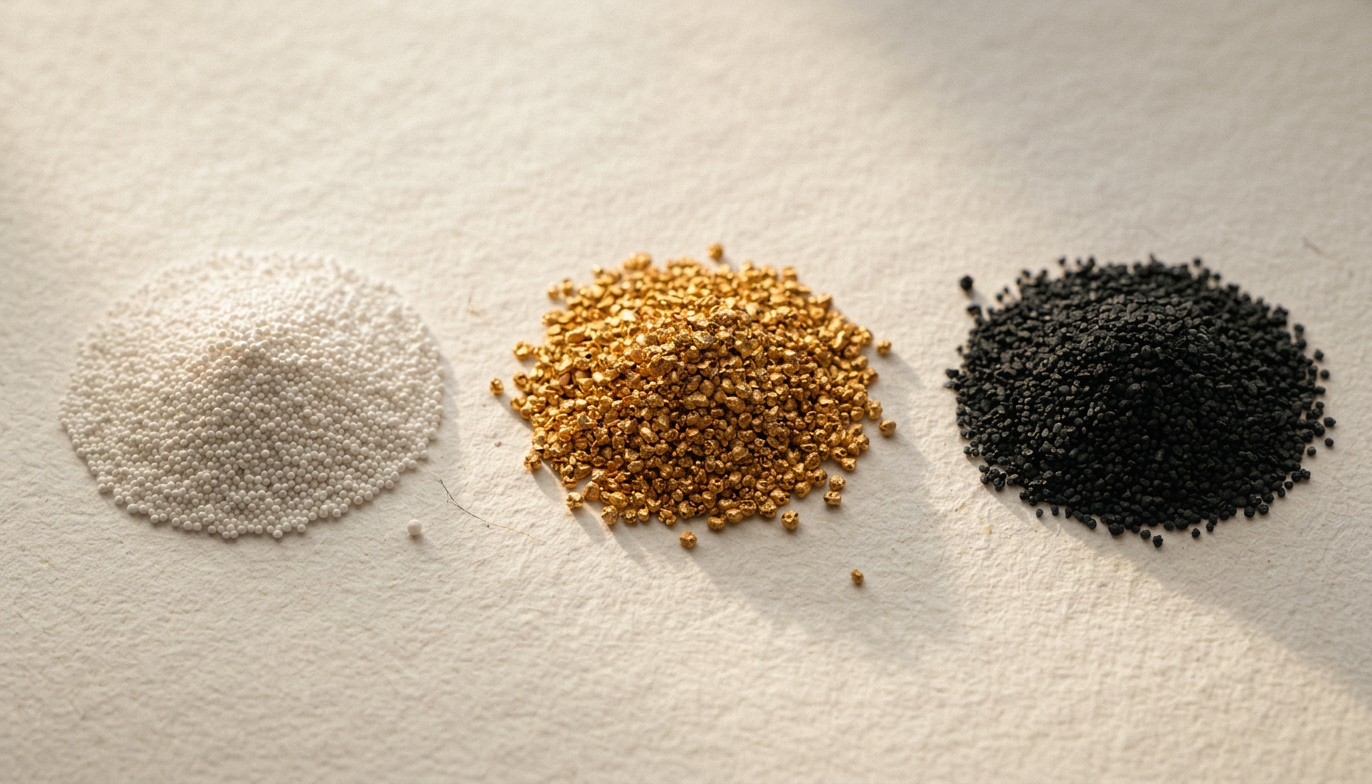
A filtered showerhead cannot solve the big problem of groundwater pollution. But it can do one small thing: help remove residual chlorine and some heavy metals from your shower water. Common filter media include calcium sulfite, KDF, and activated carbon fiber.
This is also something we happen to make. Not because it's a miracle solution, but because we believe that water which has traveled through the earth deserves to be a little gentler when it reaches your skin.
Conclusion
European groundwater is undergoing a silent crisis – one that touches every life. From understanding its formation, to recognizing the threats it faces, to adopting practical solutions – a filter showerhead may be small, but it stands as an important barrier between us and contamination. Aquamate Group is committed to walking this journey with you, so that every drop of water returns to purity, and health begins with every shower.
Next step: Share your product brief, target market, finish requirements, and price expectations, and we will recommend the most efficient path from development to production.
